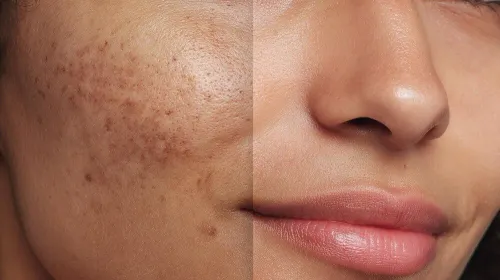
Healthy skin can be affected by acne scars, uneven texture, enlarged pores, fine lines, pigmentation, and signs of aging. While skincare products play an important role in daily maintenance, they may not always provide noticeable improvement for deeper skin concerns. This is where CO2 Laser Treatment is often recommended by dermatologists as a clinically advanced option for skin resurfacing.
The treatment works by creating controlled microscopic channels in the skin using laser energy. These tiny treatment zones stimulate the body's natural healing process, encouraging new collagen formation and healthier skin regeneration. As the skin repairs itself, texture and tone gradually improve over the following weeks.
What Skin Concerns Can It Address
CO2 Laser Treatment is commonly advised for people experiencing:
- Acne scars
- Surgical scars
- Uneven skin texture
- Enlarged pores
- Fine lines
- Wrinkles
- Sun-damaged skin
- Certain pigmentation concerns
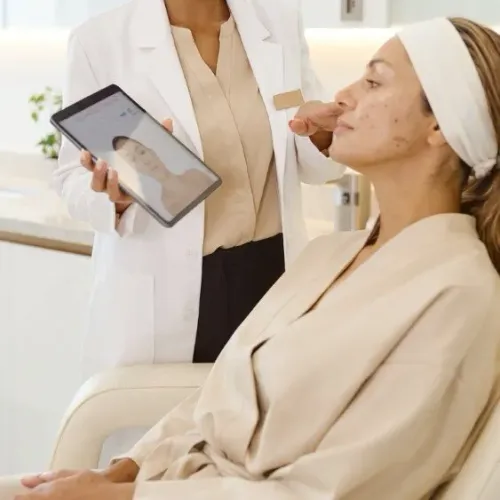
A dermatologist evaluates the skin before recommending treatment because every concern requires a personalised approach.
How the Treatment Works
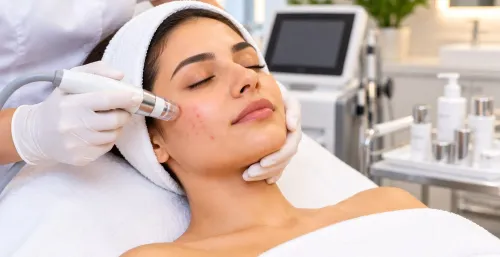
The procedure targets only selected microscopic areas while leaving surrounding skin untouched. This allows healthy tissue to support faster healing.
The treatment generally follows these steps:
- Skin assessment and consultation.
- Cleansing of the treatment area.
- Application of numbing cream if required.
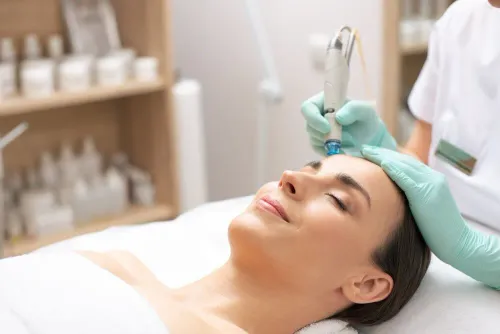
- Controlled laser application.
- Post-treatment soothing and skincare guidance.
The duration depends on the treatment area and the severity of the skin concern.
What Makes It Different from Regular Skin Treatments
Unlike facials or superficial exfoliation, CO2 Laser Treatment works beneath the skin's surface by encouraging collagen remodelling. Rather than producing temporary cosmetic improvement, the treatment supports gradual skin renewal.
Patients often notice continued improvement over several weeks as collagen production increases naturally.
Recovery Expectations
Recovery varies according to treatment intensity.
Most people experience:
- Mild redness
- Temporary swelling
- Dryness
- Skin peeling during healing
Following post-procedure instructions carefully helps minimise discomfort and supports healthy recovery.
Sun protection becomes especially important during the healing phase to reduce the risk of unwanted pigmentation.
Who May Benefit Most
A dermatologist may recommend CO2 Laser Treatment for individuals who:
- Have long-standing acne scars
- Notice early signs of skin aging
- Want smoother skin texture
- Have uneven skin tone caused by sun exposure
- Are looking for a dermatologist-supervised skin resurfacing procedure
Not everyone is an ideal candidate. Active skin infections, certain medical conditions, or recent tanning may require postponing treatment.
Questions Worth Asking Before Treatment
Before deciding on any laser procedure, it is useful to discuss:
- Is my skin suitable for CO2 Laser Treatment?
- How many sessions might be required?
- What results are realistic for my skin condition?
- What precautions should I follow before and after treatment?
- How long will recovery usually take?
Having realistic expectations helps patients understand that improvements develop gradually rather than immediately.
Importance of Professional Assessment
Laser settings differ according to skin type, pigmentation, scar depth, and overall skin health. A customised treatment plan is far safer than choosing a standard protocol for every patient.
People seeking dermatologist-guided skin treatments in Koregaon Park often look for clinics that combine medical evaluation with evidence-based aesthetic procedures. Clinics such as Derma Elementts typically begin with a comprehensive skin assessment before determining whether laser resurfacing is the most appropriate solution or if another treatment would better suit the individual's concerns.
Well-planned CO2 Laser Treatment, combined with proper skincare and sun protection, can contribute to smoother skin texture and improved overall skin quality over time. Choosing an experienced dermatologist ensures the treatment plan aligns with your skin condition, recovery expectations, and long-term skincare goals.
Keywords