Wrinkles, pigmentation, laxity, dryness, enlarged pores and volume loss do not come from one process, so a treatment that helps one concern can miss another. By the end, you will be able to identify the change you want to address, compare home care with procedures, and ask safer questions about results, downtime and treatment schedules.
Key takeaways
- Dynamic wrinkles respond to muscle relaxation; static lines need skin or volume treatment.
- Match treatment to the cause: surface texture, muscle movement, volume loss or laxity.
- Daily sunscreen and moisturiser help protect results from further photoageing.
- Ask about downtime, repeat sessions, side effects and alternatives before treatment.
Which ageing skin concern are you actually trying to treat?
A crease is not automatically a wrinkle. Dynamic wrinkles appear when repeated facial movement contracts a muscle; static wrinkles remain visible at rest after collagen loss and repeated folding. Fine lines are shallower surface creases, while skin laxity means looseness or sagging rather than a line.
| Concern | What you see | Likely drivers |
|---|---|---|
| Dynamic wrinkles | Forehead lines, frown lines, crow’s feet during expression | Repeated facial movement |
| Static wrinkles | Etched creases visible when your face is relaxed | Chronological ageing, ultraviolet exposure, smoking |
| Skin laxity | Looser jawline, eyelids or neck | Collagen and elastin loss, menopause |
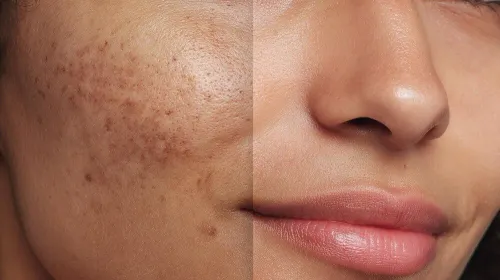
| Pigmentation and age spots | Brown patches or uneven colour | Ultraviolet exposure, hormones, inflammation |
| Uneven texture | Roughness, shallow scars or coarse skin | Sun damage, smoking, pollution, collagen loss |
| Enlarged pores | More visible follicle openings | Oil production, collagen loss and pore structure |
| Dryness | Tightness, flaking and accentuated lines | Dehydration, barrier changes and menopause |
| Volume loss | Hollow temples, cheeks or under-eyes; deeper shadows | Age-related fat, bone and tissue changes |
Dryness can make fine lines look deeper, but moisturiser does not replace volume restoration. Enlarged pores are not wrinkles, and pigmentation needs a different approach from muscle-related lines. A new, changing, bleeding or non-healing mark is not an age spot to cosmetically treat; have it assessed first.
Which treatment matches the problem: surface, muscle, volume or laxity?
Match the visible change to the structure causing it. Dynamic wrinkles appear during facial movement, such as frown lines or crow’s feet; static wrinkles remain etched into skin at rest. Treating muscle movement will not replace lost volume or repair damaged skin texture.
| Problem | Best-matched options | What the treatment addresses |
|---|---|---|
| Surface, texture or pigment | Sunscreen, moisturisers, topical retinoids, chemical peels, microneedling, MNRF and lasers | Retinoids improve fine wrinkles through epidermal turnover and dermal collagen; peels, microneedling, MNRF and lasers target uneven texture or pigmentation. Sunscreen and moisturisers support the skin surface. |
| Dynamic wrinkles | Botulinum toxin | Reduces repeated muscle contraction. It does not restore volume, remove every static wrinkle or improve overall texture. |
| Volume loss | Dermal fillers | Restores selected areas of lost volume and can soften folds or support the cheeks and lips. Fillers do not relax muscles. |
| Laxity | Radiofrequency (RF) and ultrasound-based tightening | Targets limited skin laxity without reproducing facelift surgery. |
| Substantial lax skin and deeper tissue descent | Facelift surgery | Repositions or removes lax skin and deeper facial tissues. |
Regenerative injectables, fillers, botulinum toxin, resurfacing and tightening treatments are not interchangeable. A static wrinkle may need resurfacing or volume correction rather than muscle relaxation, while laxity beyond a modest degree cannot be reliably corrected by energy devices alone. A facelift addresses substantial repositioning; non-surgical treatments address narrower anatomical problems.
What daily routine gives anti-ageing treatments a fair chance?
1. Apply broad-spectrum sunscreen SPF 30 or higher every morning to exposed skin. Reapply after sweating, bathing, or extended outdoor exposure. The Nambour trial found 24% less skin-ageing progression after 4.5 years among people using sunscreen daily rather than at their discretion, giving consistent protection stronger context than a short-term cosmetic claim.
2. Use a moisturiser to reduce dryness and support the skin barrier. Apply it after cleansing and before sunscreen in the morning; at night, use it before or after a retinoid according to your clinician’s instructions. Barrier support makes irritation management easier.
3. Introduce topical retinoids with a small amount two or three nights per week, then increase frequency only when your skin remains comfortable. Prescription tretinoin has strong evidence for photoageing. Retinoids improve fine wrinkles by increasing epidermal turnover and stimulating dermal collagen, but dryness, peeling, redness, or burning can occur.
4. Do not apply more retinoid or use it more frequently to force faster results. That usually increases irritation rather than speed. Reduce frequency, pause briefly, and moisturise until discomfort settles; seek clinical advice if burning or inflammation persists.
5. Judge improvement over several months, not several days. Avoid topical retinoids during pregnancy unless your obstetric and dermatology clinicians specifically advise otherwise, because pregnancy safety data are limited and these medicines are unnecessary during pregnancy.
How much time, downtime and repetition does each procedure require?
1. Chemical peels range from brief superficial applications to stronger medium or deep treatments. Superficial peels usually cause mild redness or flaking and shorter chemical peel recovery, while medium or deep peels can require prolonged peeling, redness, strict sun avoidance and time away from work. Deeper treatment carries greater pigment, infection and scarring risk.
2. Non-ablative laser resurfacing usually causes redness and warmth with limited treatment downtime, while ablative laser resurfacing removes columns of skin and can cause swelling, crusting, prolonged redness and a longer return-to-work period. Darker skin types need careful settings and pigment-risk planning.
Several sessions are common with non-ablative devices; stronger resurfacing is not automatically safer or better.
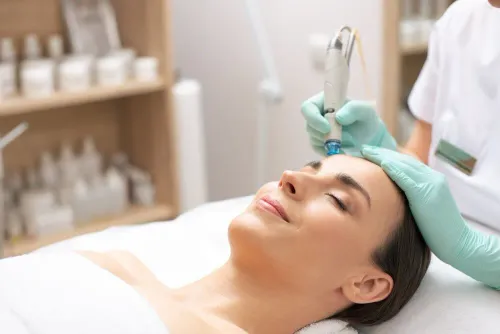
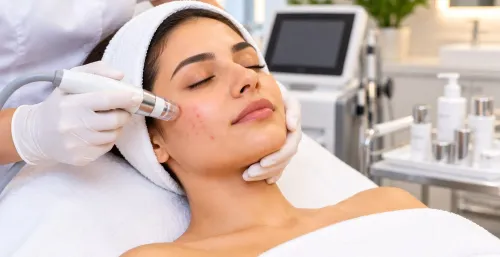
3. Microneedling can produce redness, swelling, pinpoint bleeding and temporary darkening; avoid strenuous exercise until the skin settles. MNRF combines needles with radiofrequency and can add swelling, tenderness or bruising. RF skin tightening and ultrasound treatments usually involve less surface peeling, but improvement develops gradually and energy treatments are commonly course-based.
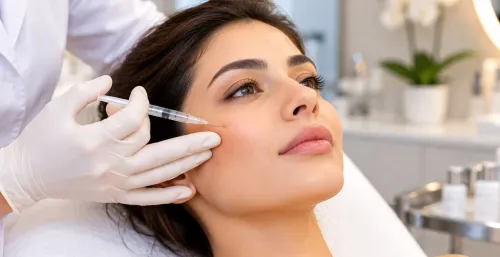
4. Botulinum toxin involves a short appointment and little downtime, but its effect commonly lasts about three to four months. Fillers can cause swelling or bruising, and review timing depends on the product, injection site and response. Regenerative injectables also vary in preparation, bruising, recovery and repetition.
5. Ask how long consultation, numbing, treatment, aftercare and work restrictions will take before booking. The device, peel agent, product, indication, skin type and response determine the schedule, so Derma Elementts 08048039637 can help build an individual plan rather than assign a generic package.
Related service
Best Meso Stem Cell Therapy in Koregaon Park, Kalyani Nagar Pune & PCMC If you are looking for advanced Meso Stem Cell Therapy in Pune and PCMC, Derma Elementts Clinic offers one of the most effective and scientifically... View service → |
How do you reduce complications and recognise when cosmetic treatment is the wrong next step?
The safest next step is assessment, not automatically choosing a stronger procedure. Cosmetic treatment can alter a lesion’s appearance and delay skin-cancer surveillance.
1. Check for a new, changing, bleeding or non-healing spot before treating it as an age spot, scar or wrinkle. Arrange medical assessment instead of repeatedly peeling, lasering or needling it.
2. Plan pigment risk before treatment. Fitzpatrick skin types IV–VI have greater risk of post-inflammatory hyperpigmentation after inflammation, particularly from aggressive peels, lasers or light-based procedures. Treat active acne, eczema or dermatitis first, use strict broad-spectrum SPF 30 or higher and sun avoidance, and ask whether a pre-treatment pigment-control regimen is appropriate.
3. Request a test spot and conservative starting settings when pigmentation is a concern. Confirm how the clinician will review delayed darkening, blistering or persistent redness before treating a larger area.
4. Before filler, ask who performs the injection and what happens if filler vascular occlusion occurs. The clinic needs an urgent response plan for severe pain, mottled or pale skin, tissue necrosis, visual impairment or possible blindness.
Disclose infection, inflammatory disease, keloid tendency and poor wound healing before microneedling or resurfacing. Postpone treatment when these risks are uncontrolled. Judge regenerative injectables by clinical evidence for the specific product and indication, not by the word “regenerative” alone.
Frequently asked questions
How do you identify the ageing skin concern you actually want to treat?
Separate dynamic wrinkles from static wrinkles, fine lines, volume loss and skin laxity. Dynamic wrinkles appear during movement, while static wrinkles remain visible at rest.
Which treatment matches surface wrinkles, muscle movement, volume loss or laxity?
Muscle-relaxing treatments target dynamic wrinkles. Skin-focused treatments address surface texture and fine lines, while dermal fillers address selected volume loss. Laxity requires an assessment of skin and tissue looseness rather than treatment for a single crease.
What daily routine helps anti-ageing treatments work fairly?
Use broad-spectrum sunscreen consistently, cleanse without stripping the skin, moisturise, and introduce active ingredients gradually. Follow the treating clinician’s instructions after a procedure.
How much downtime and repetition do anti-ageing procedures require?
Requirements vary by treatment. Ask how long redness, swelling, bruising or peeling can last, when you can resume exercise and skincare, and how often maintenance sessions are needed.
When is cosmetic treatment the wrong next step?
Delay treatment when you have an unexplained rash, infection, open wound, sudden facial change or unrealistic expectations. Seek medical assessment for new or rapidly changing skin lesions instead of treating them cosmetically.