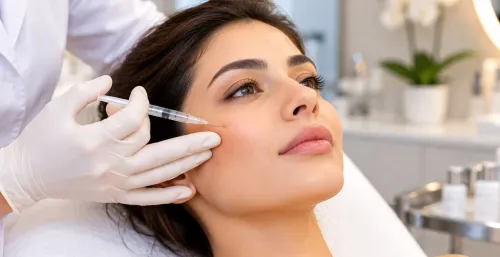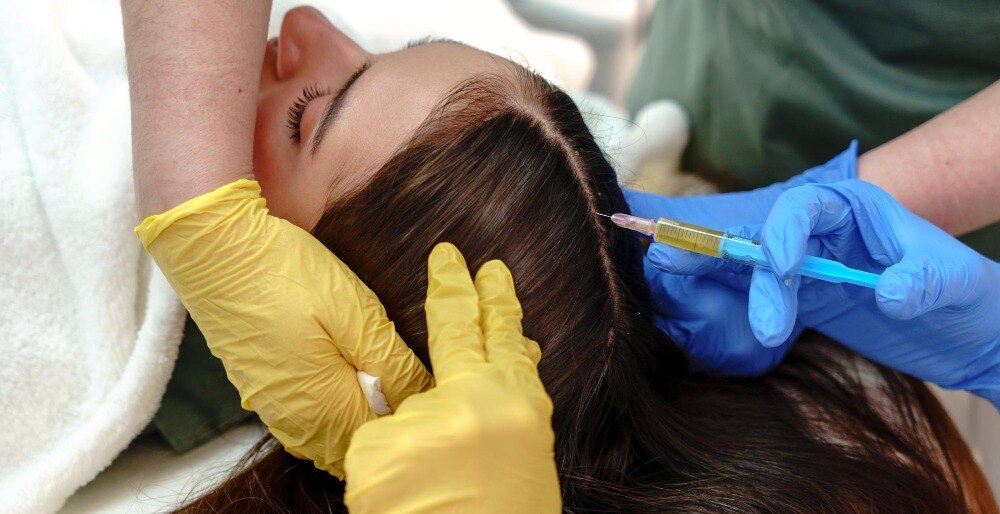
Hair shedding has several causes, and PRP is most relevant when shrinking follicles are linked to pattern hair loss rather than an undiagnosed scalp or medical disorder. You will learn how the procedure works, what results can reasonably be assessed, how it compares with other treatments, and what to verify before choosing a clinic.
Key takeaways
- Confirm the diagnosis before choosing PRP for hair loss.
- Expect several sessions and assess progress with consistent photographs.
- Compare PRP with medicines, minoxidil, finasteride, and hair transplantation.
- Check clinician credentials, sterile equipment, consent, and documented follow-up.
What happens during a PRP hair treatment visit?
PRP means platelet-rich plasma; its PRP full form describes the portion of your blood that contains concentrated platelets. During a PRP hair treatment visit, a clinician first reviews your hair-loss history, medicines, bleeding risks, and scalp condition. This assessment helps identify problems that need different treatment, such as an active infection or another hair-loss disorder.
1. The clinician photographs and examines your scalp, sometimes using magnification to assess follicle density and hair calibre.
2. A blood draw collects a small sample, usually from a vein in your arm.
3. The sample goes into a centrifuge for PRP hair treatment. Spinning separates the platelet-rich plasma from other blood components.
4. The clinician collects the platelet-rich plasma into a syringe. The exact concentration and preparation vary between protocols.
5. After cleaning the scalp, the clinician may apply a topical or local anaesthetic to reduce discomfort.
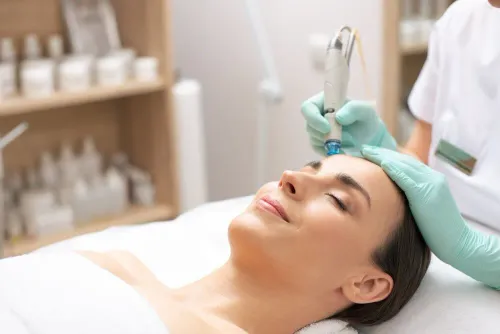
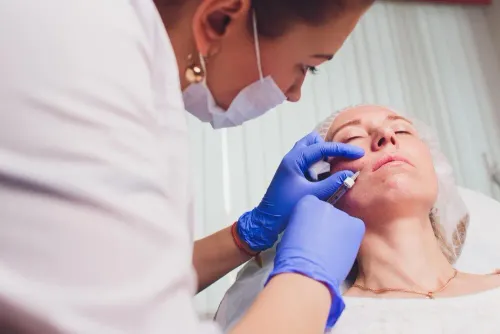
6. Using a fine needle, the clinician injects the PRP into selected areas of thinning scalp at multiple points.
7. You receive aftercare instructions, including when to wash your hair and which products or strenuous activities to avoid.
PRP is made from your own blood, so reactions to foreign material are less expected, but temporary tenderness, redness, swelling, bruising, or headache can occur. Infection and significant bleeding are uncommon risks. A higher platelet count alone does not prove that one preparation works better.
Which hair-loss diagnoses are suitable for PRP?
PRP fits best when a clinician confirms androgenetic alopecia, the chronic follicle-miniaturising process behind male-pattern hair loss and female-pattern hair loss. The decision starts with the diagnosis, not the amount of hair in the collection tube.
| Diagnosis | Clues the clinician checks | PRP decision |
|---|---|---|
| Androgenetic alopecia | Gradual patterned thinning, miniaturised hairs, preserved scalp skin | Best-studied indication; consider as an adjunct |
| Telogen effluvium | Sudden diffuse shedding after illness, stress, weight loss, or medication change | Find and correct the trigger before considering PRP |
| Alopecia areata | Smooth, sharply defined patches, exclamation-mark hairs, nail changes | An alopecia areata diagnosis needs condition-specific treatment; evidence for PRP is weaker |
| Scarring alopecia | Pain, burning, scale, pustules, loss of follicle openings, shiny skin | Do not inject until an active inflammatory or infectious cause is assessed |
| Nutritional or thyroid-related loss | Abnormal history or examination suggesting iron, vitamin, or thyroid problems | Test and treat the underlying disorder first |
The assessment can include scalp examination, dermoscopy, a hair-pull test, and blood tests such as a complete blood count, ferritin, and thyroid studies. A biopsy may be needed when scarring or alopecia areata remains uncertain. PRP is not a substitute for this workup.
- Platelet disorders, significant anaemia, or bleeding conditions
- Aspirin, clopidogrel, warfarin, or other anticoagulant use
- Active scalp infection or uncontrolled systemic illness
Androgenetic alopecia is chronic, so PRP does not permanently end the process or guarantee full density. Any benefit requires a continuing management plan.
What results can PRP deliver, and when can you assess them?
PRP hair growth results are usually judged at about three to six months, not after a few days. A completely bald, smooth area is unlikely to regrow because PRP cannot recreate follicles that have been permanently destroyed. It is better suited to hair follicle miniaturization, where existing hairs become finer and shorter but remain active.
Expect gradual change rather than instant filling. Around three months, a clinician may look for reduced shedding or early calibre changes; by six months, improved density or thickness is easier to assess. Some patients need continued management because androgenetic alopecia remains a chronic process, and improvement may fade after treatment stops.
Use the same lighting, camera distance, hairstyle, and hair length for every photograph. A standardized hair density measurement, such as counted hairs within a marked scalp area, gives stronger evidence than a casual mirror comparison. The baseline should also record miniaturization and photographs before treatment, then repeat those measures at follow-up.
Randomized trials generally report better density or thickness with PRP than with saline, but small studies, different preparation methods, and inconsistent measurements limit certainty. If six months show no measurable improvement, continuing injections without revisiting the diagnosis and treatment plan deserves scrutiny.
How does PRP compare with other hair-growth treatments?
PRP is usually compared as an add-on to established treatment, not as a replacement for proven options. Compare it only after confirming the diagnosis, because androgenetic alopecia has better PRP evidence than alopecia areata, telogen effluvium, or scarring alopecia.
| Option | What it means | When to compare it |
|---|---|---|
| PRP vs GFC | Both use blood-derived growth factors, but preparation methods and ingredients differ. | Ask for the exact protocol, cell or platelet content, injection schedule, and supporting evidence rather than choosing by the label. |
| PRP vs mesotherapy | Mesotherapy may deliver minoxidil, vitamins, medications, or other mixtures into the scalp. | Compare the named ingredients, doses, sterility controls, and evidence; “mesotherapy” alone does not identify a standard treatment. |
| Minoxidil and PRP | Minoxidil is an established topical or oral hair-loss medicine; PRP is an injection procedure. | Compare them when you want a lower-cost daily option, added treatment, or a plan that avoids injections. Stopping minoxidil can lose its benefit. |
| Finasteride and PRP | Finasteride targets hormonal miniaturisation; PRP does not replace that mechanism. | Men with pattern hair loss should discuss finasteride risks and benefits before choosing PRP alone. |
| Low-level light therapy | Home or clinic devices use repeated low-energy light exposure. | Consider it when you prefer a non-injection option and can maintain frequent sessions. |
| Hair transplantation | Surgery moves follicles from a donor area into thinning or bald zones. | Compare it when density loss is advanced or you want physical coverage; it requires adequate donor hair and surgical planning. |
No option permanently reverses pattern hair loss. A clinician should also review anemia, platelet disorders, anticoagulants, and scalp infection before recommending PRP.
What should you check before choosing a PRP clinic?
Before booking, verify the clinician’s diagnosis, preparation method, infection controls, and follow-up plan. PRP is not one standardized treatment: ask how the clinic measures platelet concentration, reports leukocyte content and red-cell contamination, activates the sample, and chooses injection depth, volume, and scalp injection points. A higher platelet count alone does not prove better results.
Use these PRP clinic questions during consultation:
- Do you examine the scalp and rule out alopecia areata, telogen effluvium, scarring alopecia, thyroid disease, nutritional deficiency, and infection?
- How will platelet disorders, significant anaemia, bleeding conditions, or medicines such as aspirin, clopidogrel, or anticoagulants affect suitability?
- Is the blood drawn, labelled, centrifuged, and injected in one controlled session?
- Are the tubes, needles, syringes, and collection surfaces sterile and single-use?
- What happens if you develop persistent bleeding, increasing pain, swelling, fever, or scalp redness?
| Check | What to verify | Why it matters |
|---|---|---|
| Medical plan | Written diagnosis and alternatives such as minoxidil or finasteride | PRP should not replace treatment for a different cause |
| Preparation | Named centrifuge or kit, separation method, and sample handling | Marketing claims do not establish an effective protocol |
| Safety | Sterile PRP preparation, sharps disposal, and documented medical consent | Poor controls raise infection and injury risks |
| Follow-up | Session interval, review date, photographs, and response criteria | You need a defined way to judge progress |
Derma Elementts 08048039637 can be assessed using the same questions: request the planned protocol in writing rather than choosing a package from its name.
Related service
PRP Treatment for Hair in Koregaon Park, Kalyani Nagar,Pune & PCMC PRP Treatment for Hair in Koregaon Park,Pune & PCMC Advanced Hair Regrowth Therapy by Dr. Rupali Patil and she is one of the leading and best Hair treatment specialist in Pune and PCMC. View service → |
Frequently asked questions
What happens during a PRP hair treatment visit?
The clinician reviews your hair-loss history, medicines, bleeding risks, and scalp condition. Blood is drawn, processed to separate platelet-rich plasma, and injected into selected scalp areas after the treatment plan and risks are discussed.
Which hair-loss diagnoses are suitable for PRP?
PRP is most relevant after a clinician confirms conditions such as androgenetic alopecia. Active scalp infection, untreated inflammatory disease, scarring alopecia, or unexplained sudden shedding requires diagnosis and treatment before PRP.
What results can PRP deliver, and when can you assess them?
Results are assessed over months rather than days. Use standardised photographs and track shedding, density, and hair calibre; follow-up timing depends on the diagnosis, treatment schedule, and response.
How does PRP compare with other hair-growth treatments?
PRP is an in-clinic injectable treatment, while minoxidil and finasteride are established medical options with different benefits, risks, and maintenance needs. Hair transplantation redistributes follicles and suits selected cases rather than active diffuse shedding.
What should you check before choosing a PRP clinic?
Ask who will diagnose and perform the treatment, how blood is handled, which kit and centrifuge are used, how risks are documented, and what follow-up plan measures your response.