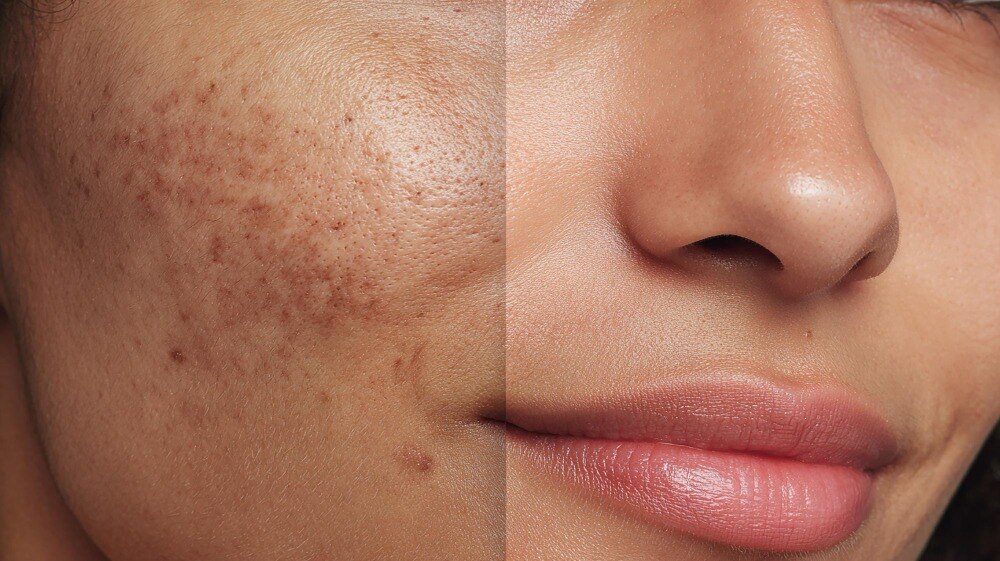
A dark spot can be an acne mark, melasma, sun spot, medication effect, or a lesion that needs medical assessment before any cosmetic treatment. By the end, you will know how the cause is identified, which treatments match each pattern, how to use them safely, and when professional review matters.
Key takeaways
- Match pigmentation treatment to its cause, colour, pattern and timing.
- Do not treat a changing, bleeding or irregular dark spot cosmetically.
- Use broad-spectrum sunscreen daily to prevent pigment from returning.
- Expect gradual improvement and combine treatment with ongoing pigment control.
What type of pigmentation is causing the dark spot?
Dark spots are not one diagnosis: pigmentation diagnosis starts by matching the colour, distribution, surface and timing to a cause. Melasma usually forms symmetrical brown patches on the cheeks, forehead or upper lip. Post-inflammatory hyperpigmentation follows acne, eczema, burns or procedures and often traces the earlier injury.
Solar lentigines are sharply defined sun-related marks, while freckles are smaller spots that darken after sun exposure. Acanthosis nigricans causes thicker, darker, sometimes velvety skin in the neck, armpits or groin folds. Medication-related pigmentation can appear after a new drug and may follow a distinctive pattern.
A dermatologist will ask:
- How much sun exposure do you get, and do the spots change with seasons?
- Did pigmentation begin during pregnancy or after starting hormonal medicines?
- Which new drugs, supplements or topical products did you begin?
- Was there acne, a burn, procedure, rash, itching or inflammation before the colour appeared?
A Wood’s lamp can show whether pigment is more superficial or deeper, while dermoscopy can reveal pigment patterns and help distinguish a flat mark from another lesion. The pattern determines further evaluation: glucose testing fits suspected acanthosis nigricans, while a medication review fits possible drug-related pigmentation.
Do not treat first and investigate later; the wrong cream can irritate skin and create more pigment.
When is a dark spot not suitable for cosmetic treatment?
A flat, stable patch that has kept the same shape, colour and surface is more suitable for cosmetic discussion than a changing mole, persistent rash or another unexplained lesion. Do not peel, laser or lighten an asymmetric pigmented lesion before a clinician examines it.
Arrange prompt medical review if the mark:
- Is asymmetric, has an irregular border or contains multiple colours, enlarges, changes, bleeds, crusts, ulcerates or becomes painful.
- Differs clearly from your surrounding moles, or is a new pigmented lesion with no clear explanation.
- Repeatedly returns after treatment, or has scale, swelling or persistent itching.
These features do not prove cancer, but they make diagnosis more important than fading the colour. A persistent rash also needs assessment when redness, scale or itching continues instead of settling after the original irritation.
Photographs can document change, but they cannot establish that a lesion is benign. Cosmetic lightening creams cannot make that determination either, and irritation can obscure useful clinical signs.
A clinician may examine the mark with dermoscopy, which magnifies and illuminates pigment structures, and arrange a biopsy when the appearance warrants tissue testing. Leave the area untreated until reviewed; a peel or laser can alter its surface and delay a reliable diagnosis.
Which treatment fits melasma, acne marks, burns and sun spots?
A diagnosis should determine the treatment, not the strength of the lightening product. The wrong choice can irritate skin, prolong post-inflammatory hyperpigmentation and hide a lesion that needs medical assessment.
| Diagnosis | Treatment focus | Important caution |
|---|---|---|
| Melasma | Broad-spectrum SPF 30 or higher, iron-oxide tint for visible-light protection, trigger control, azelaic acid, hydroquinone or a tolerable retinoid | Heat, hormones and light can trigger recurrence; oral tranexamic acid is an off-label, clinician-supervised option requiring review of thrombosis, clotting, smoking, cardiovascular and hormonal risks |
| Acne marks | Control active acne, then consider azelaic acid or carefully introduced retinoids | Irritation from over-treatment can create more pigment |
| Burns or procedures | Control inflammation and use conservative topical treatment | Peels or lasers over inflamed skin can worsen discoloration |
| Solar lentigines or selected freckles | Carefully chosen chemical peels or pigment-targeting laser procedures | A test spot and strict photoprotection reduce the risk of prolonged hyperpigmentation or hypopigmentation |
| Acanthosis nigricans or medication-related pigmentation | Treat the metabolic, hormonal or medication driver | Lightening products alone will not correct the cause |
Vitamin C can supplement a plan, but evidence and results vary. During pregnancy, clinicians generally avoid topical retinoids and oral tetracyclines; azelaic acid is commonly considered, but pregnancy or breastfeeding treatment still needs individual review. Hydroquinone, retinoids and procedures require supervision when irritation or darker skin increases risk.
How do you use pigment creams and sunscreen without worsening the problem?
Use hydroquinone only as prescribed, commonly at 2–4%, and follow the planned treatment course rather than continuing indefinitely. Stop it and seek review for severe irritation or new blue-black or gray-brown discoloration, which can indicate exogenous ochronosis. Do not apply it to broken, sunburned or actively inflamed skin.
Introduce tretinoin or another retinoid on fewer nights, using a small amount on dry skin, then moisturiser. Burning, peeling and dermatitis can worsen post-inflammatory hyperpigmentation, so reduce frequency and contact the prescriber if irritation persists.
- Treat a prescription triple combination cream containing hydroquinone, tretinoin and a corticosteroid as time-limited medical treatment, not a permanent cream.
- Do not extend facial steroid use: prolonged exposure can cause acneiform eruptions, skin thinning, visible vessels and steroid dermatitis.
- Apply generous broad-spectrum SPF 30 sunscreen daily to exposed skin; reapply after swimming or sweating, and add shade, a hat or clothing.
- Choose a tinted sunscreen containing iron oxides for melasma-prone skin because it provides visible-light protection as well as ultraviolet protection.
- Avoid online “natural” lightening creams and unsupervised steroid combinations; they can contain mercury, potent steroids or undeclared hydroquinone.
- During pregnancy, generally avoid retinoids and oral tetracyclines. Ask your clinician whether azelaic acid is suitable before starting any treatment.
A high SPF does not protect adequately if you apply too little or skip reapplication. Follow the exact prescription and arrange review before changing frequency, combining products or restarting a stopped cream.
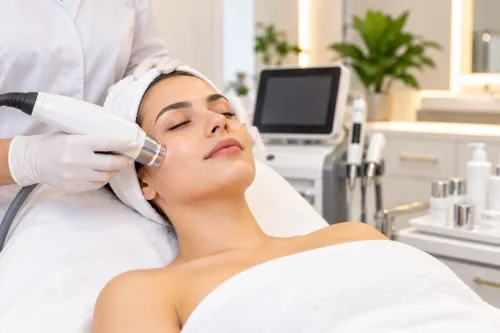
What results can you expect from peels, lasers and ongoing care?
Expect improvement over weeks to months, not days. Compare photographs taken under the same lighting, angle and camera settings; daily mirror checks exaggerate normal variation and encourage harmful over-treatment.
| Option | What results can mean | Main risk |
|---|---|---|
| Chemical peels | Useful for selected solar lentigines or resistant pigmentation | Aggressive peeling can cause prolonged hyperpigmentation or hypopigmentation |
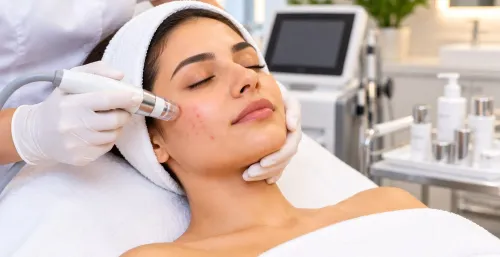
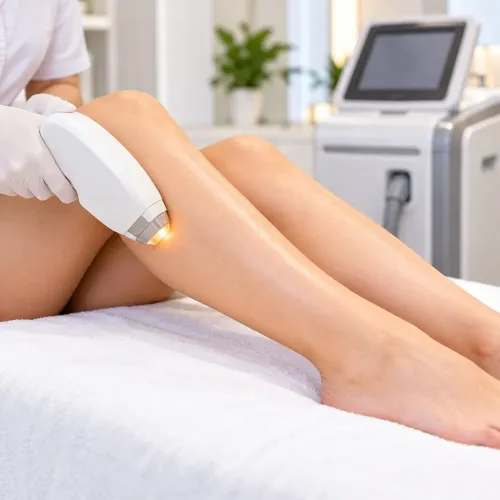
| Laser pigmentation treatment | May lighten carefully selected lesions after diagnosis | Excessive fluence can worsen pigment, especially in Fitzpatrick skin types IV–VI |
| Ongoing care | Helps maintain gains through sunscreen and trigger control | Stopping protection allows pigment to return |
Melasma is chronic and relapsing, so melasma recurrence can follow an initially good response. Ultraviolet and visible light, heat, pregnancy or other hormonal triggers can reactivate it; lasers do not remove that underlying tendency. Use broad-spectrum SPF 30 or higher, iron-oxide tint for visible-light protection, shade and protective clothing.
Ask about a conservative test spot, treatment of active inflammation, careful device and energy selection, and a follow-up plan before proceeding. Irritation from repeated escalation often prolongs discoloration instead of clearing it.
A medically evaluated consultation can confirm the diagnosis, review medicines and pregnancy status, and select a tolerable plan. In Pune, Derma Elementts 08048039637 is one clinic to ask about this assessment; compare the clinician’s diagnosis, treatment rationale, follow-up schedule and safety instructions.
Frequently asked questions
What type of pigmentation causes dark spots and uneven skin tone?
Melasma forms symmetrical brown patches, while post-inflammatory hyperpigmentation follows acne, eczema, burns or procedures. Sun spots usually appear as discrete areas on sun-exposed skin.
When is a dark spot not suitable for cosmetic treatment?
Seek medical assessment before cosmetic treatment if a spot changes in size, shape or colour, bleeds, crusts, itches persistently or has an irregular border.
Which treatment fits melasma, acne marks, burns and sun spots?
Melasma often needs pigment creams, strict sun protection and carefully selected procedures. Acne marks require control of the underlying acne, while burn-related pigmentation needs an assessment of healing. Sun spots may respond to targeted peels or laser treatment after diagnosis.
How should you use pigment creams and sunscreen?
Apply pigment creams exactly as prescribed and stop if severe burning, swelling or blistering occurs. Use broad-spectrum SPF 30 or higher, reapply during outdoor exposure and add shade or a wide-brimmed hat.
What results can you expect from peels, lasers and ongoing care?
Peels and lasers can improve uneven pigmentation over a series of treatments, but results depend on the diagnosis, skin type and sun exposure. Ongoing sunscreen and maintenance care help reduce recurrence.