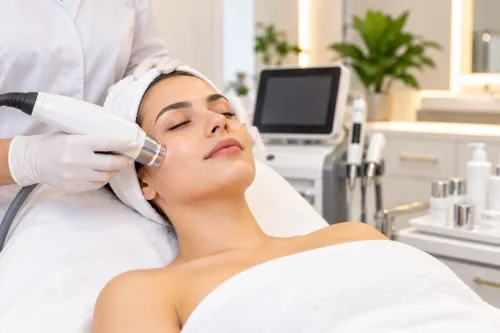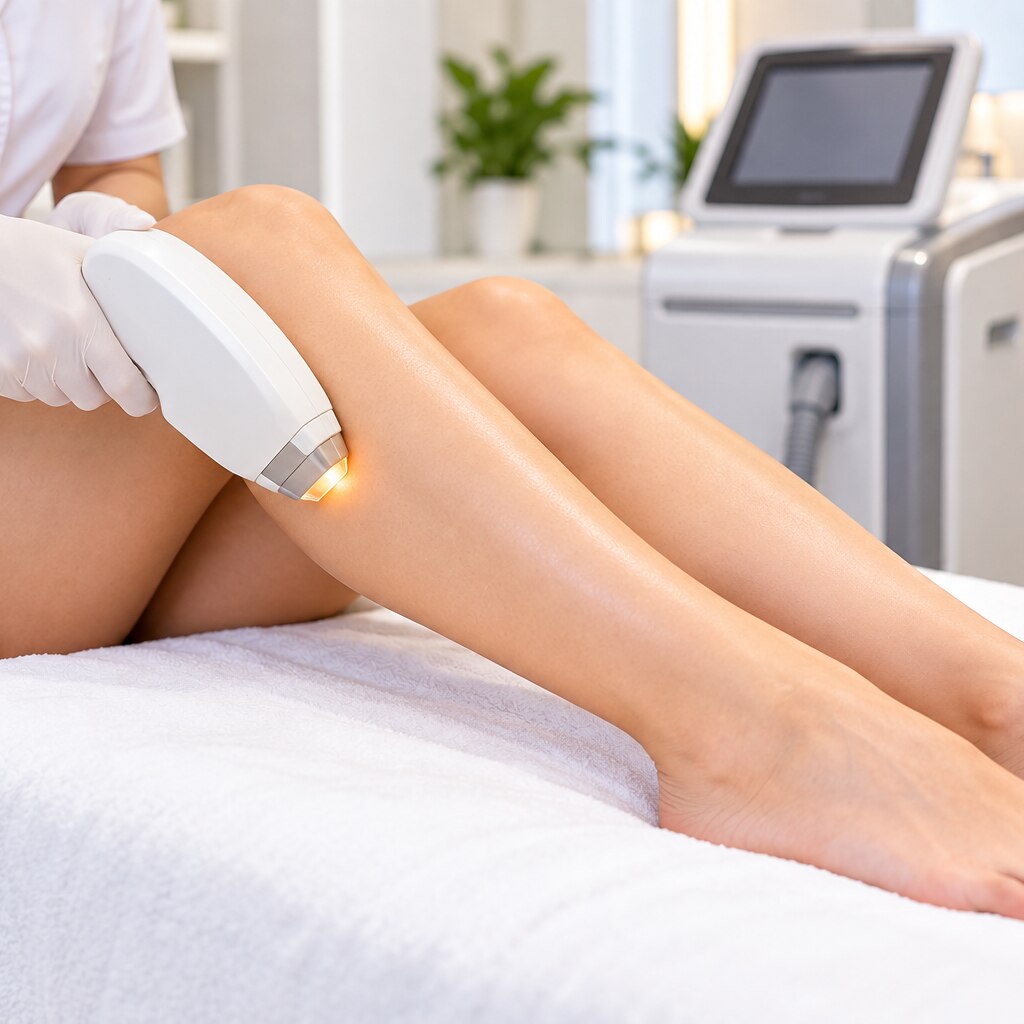
Unwanted facial or body hair can persist despite shaving, waxing, and frequent salon appointments. By understanding how laser energy works, which hair and skin types respond, how to prepare, and what questions to ask at a Pune clinic, you can decide whether treatment suits you and approach it with realistic expectations.
Key takeaways
- Expect long-term hair reduction, not guaranteed permanent hair removal.
- Plan multiple sessions because hair responds during its active growth phase.
- Avoid waxing and plucking before treatment; shave instead.
- Ask how the laser wavelength matches your skin tone and hair colour.
How laser energy reduces hair growth without removing every follicle permanently
The laser hair reduction mechanism is selective photothermolysis: a chosen wavelength heats melanin in the hair shaft and follicle, damaging growth-producing structures without removing every follicle permanently. The follicle can recover or produce finer hair, so the realistic outcome is long-term hair reduction, not guaranteed hair-free skin.
The permanent hair reduction terminology used by the FDA means a stable decrease in regrowth measured at 6, 9, and 12 months after completing a treatment regimen. It does not promise that no hair will ever return; some regrowth and maintenance sessions remain possible.
Several sessions are necessary because laser energy works best during anagen, the active growth phase, and follicles enter that phase at different times.
Results vary for practical reasons:
- Dark, coarse hair absorbs more energy than fine hair. White, grey, and very light-blonde hair respond poorly to conventional melanin-targeting lasers, while red hair is less predictable.
- Face and underarms can respond differently from other body areas because hair thickness, density, and growth cycles vary by location.
- Shaving leaves the follicle’s target in place. Waxing, tweezing, or epilating removes it and can reduce the next session’s effectiveness.
- Laser treats hair, not its hormonal cause. New or worsening facial hair with irregular periods or acne needs assessment for polycystic ovary syndrome or another endocrine disorder. IPL is different: it uses broad-spectrum light rather than one laser wavelength.
Which areas respond best, and how many sessions will you need?
Most people need about six or more sessions, spaced several weeks apart, rather than one treatment. The face, underarms, arms, legs, back, and bikini line can all be treated, but each area needs its own schedule and assessment.
| Area | Usual treatment pattern | Important consideration |
|---|---|---|
| Underarms | Often respond efficiently to a planned course | Shave rather than wax or tweeze between sessions |
| Legs and arms | Require repeated sessions across different growth cycles | Fine or light-coloured hair responds less predictably |
| Bikini line | Commonly treated over several sessions | Tell the provider about irritation, ingrown hairs, or skin conditions |
| Face | Can be treated, but requires careful selection | Fine facial hair and darker skin carry an uncommon risk of paradoxical hypertrichosis, or increased nearby growth |
| Back | Usually needs a full course with area-specific spacing | Large surface area can make appointments longer |
Laser works best on follicles in the active anagen phase. Because follicles enter that phase at different times, one session reaches only part of the total hair population; treating too soon can miss follicles that are still resting.
Your provider may adjust the interval according to the body area and regrowth, commonly leaving several weeks between appointments.
People seeking bikini line laser hair reduction Pune services should expect long-term hair reduction, not a promise that every follicle disappears permanently. Some regrowth and occasional maintenance sessions can occur. If new coarse facial or body hair appears with irregular periods, acne, or scalp hair loss, seek medical evaluation for a possible hormonal cause.
What to do before, during, and after a laser session
Stop waxing before laser treatment, and avoid threading and plucking because these remove the follicle’s hair target. Tell the provider about recent tanning, sun exposure, active infection, herpes in the treatment area, pregnancy, skin conditions, and photosensitising medicines. Do not treat over tattoos, unusual moles, or pigmented lesions without assessment.
For shaving before laser hair reduction, follow the clinic’s timing instructions; shaving or trimming leaves the follicle intact while reducing surface irritation.
| Stage | What happens | What you should do |
|---|---|---|
| Before | The provider reviews your history, examines the skin, and confirms the treatment area. | Arrive with clean skin free of perfume, deodorant, oils, and makeup. |
| During | You wear eye protection matched to the laser wavelength. Cooling protects the surface while pulses target hair follicles; warmth, snapping, or brief stinging is common. | Report excessive heat or pain immediately. Keep still and follow positioning instructions. |
| After | Mild redness, swelling around follicles, or warmth can last several hours. | Use a cool compress, avoid rubbing, hot baths, saunas, strenuous exercise, and fragranced products for the advised period. |
Apply broad-spectrum sunscreen to exposed treated skin and limit sun exposure between sessions. Do not pick crusting or blisters; contact the provider if they develop. Sun protection reduces irritation and the chance of post-treatment darkening, while a later session should wait until the skin has recovered.
How skin tone, laser wavelength, and hair colour affect safety
For Indian skin tones, laser safety depends on epidermal melanin, tanning, hair colour, and settings—not on nationality alone. A provider should match the wavelength to your pigment level and perform a test patch before treating a large area.
| Option | Main safety and performance feature | When it fits |
|---|---|---|
| Alexandrite laser | 755 nm; strongly absorbed by melanin, so it targets dark hair efficiently but also exposes darker epidermis to more heat | Fairer, untanned skin with coarse brown or black hair; use extra caution as skin becomes darker |
| Diode laser | Usually around 800–810 nm; offers adjustable pulse duration and sits between alexandrite and Nd:YAG in practical use | Light-to-medium brown skin with dark hair, after test settings confirm safe response |
| 1064-nm Nd:YAG | Penetrates more deeply and is absorbed less by epidermal melanin | Brown-to-dark skin, including many darker Indian skin tones; it is commonly preferred when pigment-injury risk is higher |
Black and dark-brown hair responds best because it contains more melanin. Blonde, red, white, and grey hair absorb little laser energy, so increasing the power can burn skin without creating useful reduction.
Ask about recent tanning, medicines, infection, herpes in the treatment area, and conditions that impair healing. A provider should protect your eyes, avoid tattoos and suspicious moles, and postpone treatment over irritated skin. Derma Elementts 08048039637 should document the device wavelength, test response, and settings rather than describing every system simply as “laser.”
How to judge whether treatment is appropriate for you
A suitable candidate has realistic expectations, no untreated skin problem in the area, and enough time to follow sun-protection instructions. Ask whether the plan is appropriate for your skin tone, hair colour, treatment area, and medical history before booking laser hair reduction in Pune.
Disclose recent tanning, significant sun exposure, photosensitising medicines, medicines that affect healing, and conditions such as diabetes or immune problems. Report any active infection, including herpes or cold sores in the treatment area, because treating inflamed skin can worsen the problem. Pregnancy is generally managed conservatively because cosmetic laser safety data are limited.
Ask these questions before consenting:
- Is the device a medical laser or IPL, and which wavelength will you use?
- Who will assess my skin, moles, pigmented lesions, tattoos, and healing risks?
- What result is realistic: long-term reduction, not guaranteed permanent removal?
- What eye protection matches the device, especially for facial treatment?
- How long should I avoid tanning, and which broad-spectrum sunscreen should I use?
- Should I shave rather than wax, tweeze, or epilate before treatment?
| Laser | Specific wavelength | Ask how it suits your skin and hair |
|---|---|---|
| IPL | Broad band of light | Do not accept IPL claims presented as laser results |
| Alexandrite, diode, or 1064-nm Nd:YAG | Different wavelengths and safety margins | Ask why this device is chosen for your skin tone |
Postpone treatment over active infection, recent tanning, or suspicious lesions until a clinician reviews them. Avoid treating directly over tattoos.
Frequently asked questions
How does laser hair reduction reduce hair growth?
Selective photothermolysis heats melanin in the hair shaft and follicle, damaging growth-producing structures without removing every follicle permanently.
How many laser hair reduction sessions will you need?
You need multiple sessions because only hairs in the active growth phase respond well during each appointment; the number depends on the area, hair density, hair colour, and hormonal factors.
What should you do before and after a laser hair reduction session?
Avoid waxing and plucking beforehand, shave as instructed, protect treated skin from sun exposure, and follow the clinic’s aftercare guidance.
How do skin tone and hair colour affect laser hair reduction safety?
The clinician must match the wavelength and settings to your skin tone and hair colour because melanin in the skin and hair affects treatment effectiveness and the risk of burns or pigment changes.