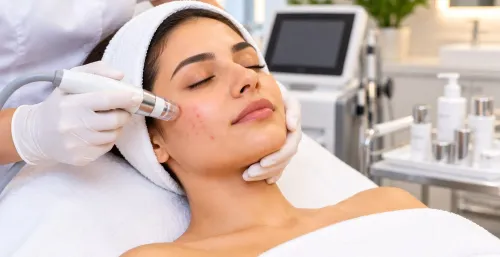
Uneven skin tone, acne marks, pigmentation, dullness, and early signs of ageing are among the most common reasons people seek professional skin treatments. While daily skincare products help maintain healthy skin, some concerns require deeper exfoliation to encourage healthier skin renewal. Chemical Peels are one of the most widely used dermatologist-supervised treatments for improving skin texture and complexion in a controlled and safe manner.
A chemical peel uses carefully selected exfoliating agents to remove damaged outer skin layers, allowing fresher and healthier skin to emerge during the natural healing process. The type and strength of the peel are always selected according to the patient's skin type and specific concerns.
Understanding How Chemical Peels Work
The skin naturally renews itself, but factors such as ageing, sun exposure, acne, and environmental pollution can slow this process.
Chemical Peels accelerate controlled exfoliation by:
- Removing dead skin cells.
- Stimulating skin renewal.
- Improving skin texture.
- Supporting a brighter complexion.
- Reducing the appearance of certain pigmentation concerns.
The treatment is performed under professional supervision to ensure safety and suitability.
Skin Concerns That May Benefit
A dermatologist may recommend Chemical Peels for:
- Acne-prone skin
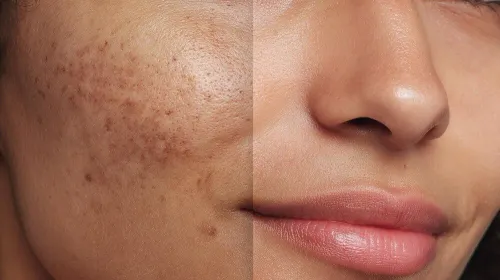
- Post-acne marks
- Mild pigmentation
- Sun-damaged skin
- Uneven skin tone
- Fine lines
- Dull complexion
Not every peel is appropriate for every skin type. Individual assessment helps determine the most suitable formulation.
What to Expect During Treatment
Although treatment plans vary, a typical appointment includes:
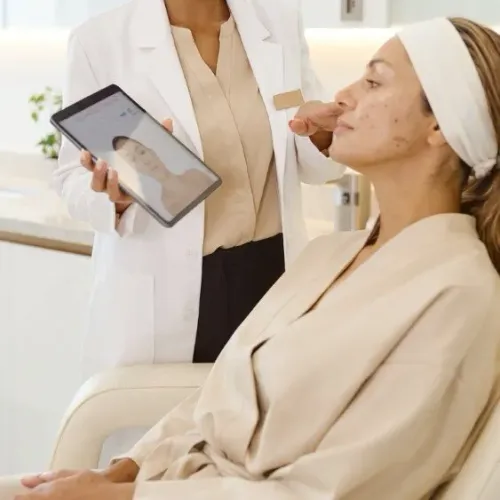
- Skin evaluation.
- Cleansing of the treatment area.
- Application of the selected peeling solution.
- Monitoring throughout the procedure.
- Post-treatment skincare instructions.
Some peels involve minimal downtime, while stronger formulations may require additional healing time.
Caring for Your Skin Afterwards
Following aftercare instructions is essential for achieving good results.
Patients are usually advised to:
- Wear sunscreen every day.
- Avoid excessive sun exposure.
- Keep the skin moisturised.
- Avoid picking or peeling flaking skin.
- Follow the recommended skincare routine.
Proper aftercare helps reduce irritation and supports healthy skin recovery.
Common Misunderstandings
Many people believe Chemical Peels permanently thin the skin. In reality, professionally selected peels work by encouraging healthy skin renewal rather than damaging healthy tissue.
Another misconception is that stronger peels always produce better results. The most effective treatment is the one chosen specifically for your skin type and concern, not necessarily the strongest available option.
Why Dermatologist Guidance Matters
Professional evaluation helps determine:
- Which peel is suitable for your skin.
- How many sessions may be required.
- Whether combination treatments would provide better outcomes.
- How to prepare your skin before treatment.
People looking for advanced skin rejuvenation in Koregaon Park often prefer dermatology clinics that customize treatments rather than using identical protocols for every patient. Derma Elementts begins with a detailed skin assessment before recommending Chemical Peels, ensuring the treatment plan matches individual skin concerns and long-term skincare goals.
Healthy skin develops through informed care, realistic expectations, and treatments chosen for the right reasons. When performed under expert supervision, Chemical Peels can become an effective part of a personalised skincare journey, helping improve overall skin texture and appearance gradually and safely.
Keywords