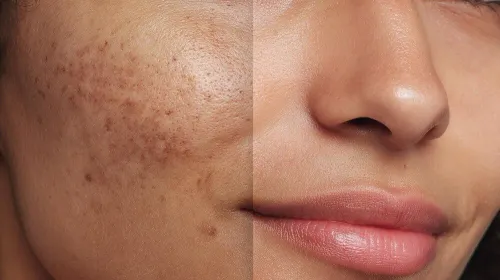
Healthy skin constantly repairs itself, but factors such as ageing, acne scars, enlarged pores, sun damage, and reduced collagen production can slow this natural process. While creams and serums help maintain the skin barrier, they often cannot stimulate deeper skin regeneration. Microneedling Treatment is a dermatologist-performed procedure that encourages the skin's own healing response, promoting smoother texture and healthier-looking skin over time.
The treatment has gained popularity because it focuses on stimulating collagen and elastin naturally rather than altering facial features. When performed by trained professionals, microneedling can become an effective option for individuals seeking gradual skin improvement with minimal downtime.
How Microneedling Treatment Works
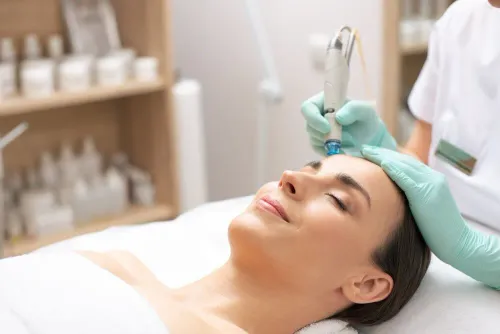
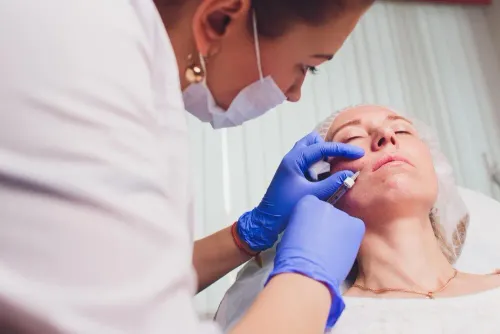
Microneedling uses a specialised device with very fine sterile needles to create controlled microchannels in the skin. These tiny channels trigger the body's natural wound-healing response, stimulating collagen and elastin production.
As collagen levels improve over the following weeks, many people notice:
- Smoother skin texture
- Softer acne scars
- Reduced appearance of enlarged pores
- Improved skin firmness
- Better overall skin tone
Since collagen production is gradual, improvements continue to develop after each session.
Who May Benefit from Microneedling
A dermatologist may recommend Microneedling Treatment for individuals experiencing:
- Acne scars
- Mild pigmentation concerns
- Enlarged pores
- Fine lines
- Uneven skin texture
- Early skin ageing
- Certain stretch marks
The treatment plan is customized according to skin type, scar severity, and individual goals.
What Happens During the Procedure
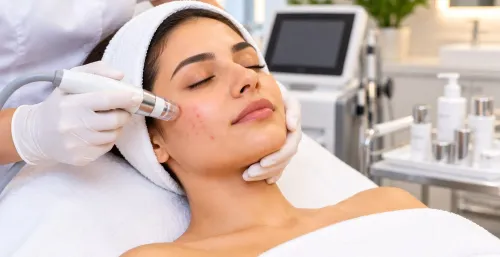
A typical session generally includes:
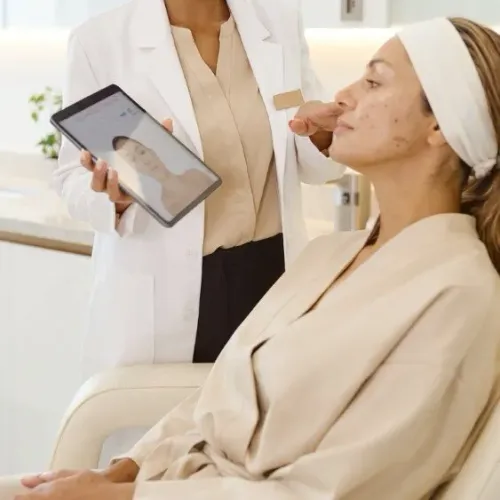
- Clinical skin evaluation.
- Cleansing of the treatment area.
- Application of topical numbing cream.
- Controlled microneedling procedure.
- Post-treatment calming products and aftercare advice.
Treatment duration depends on the size of the area being treated.
Caring for Your Skin Afterwards
Following the correct aftercare routine is essential for healthy healing.
Patients are commonly advised to:
- Apply sunscreen daily.
- Avoid direct sun exposure for a few days.
- Keep the skin moisturised.
- Avoid harsh exfoliating products until advised.
- Follow the dermatologist's skincare recommendations.
Temporary redness or mild sensitivity is normal and generally settles within a short period.
Common Questions About Microneedling
Many patients ask whether one session is enough. The answer depends on the concern being treated. Mild skin texture issues may require fewer sessions, while acne scars or deeper collagen loss often benefit from a series of treatments.
Another common question is whether microneedling is suitable for every skin type. A professional consultation helps determine suitability and reduces the risk of complications.
Why Professional Assessment Is Important
Choosing treatment based only on online reviews can lead to unrealistic expectations. A dermatologist evaluates factors such as:
- Skin sensitivity
- Active acne
- Scar depth
- Pigmentation
- Medical history
This ensures that Microneedling Treatment is both appropriate and safely performed.
People exploring advanced skin rejuvenation in Pune often seek dermatology clinics that personalise treatment plans rather than offering standard procedures. At Derma Elementts, each patient undergoes a detailed skin assessment before microneedling is recommended, ensuring the treatment aligns with individual skin concerns and long-term skincare goals.
Healthy skin is the result of consistent care, informed decisions, and treatments tailored to individual needs. Microneedling Treatment supports the skin's natural regenerative ability, making it a valuable option for those looking to improve skin texture through clinically guided care.
Keywords