Hair loss is often more complex than it appears. While many people focus on the strands they see falling every day, the real concern usually begins beneath the scalp, where weakened hair follicles struggle to produce healthy new growth. Trichogen Therapy is an advanced regenerative approach that aims to support follicle health and encourage stronger, healthier hair by addressing the scalp environment itself.
As awareness of non-surgical hair restoration continues to grow, more individuals are exploring dermatologist-supervised treatments that go beyond shampoos and cosmetic products. Understanding how Trichogen Therapy works can help patients decide whether it may be appropriate for their hair concerns.
What Is Trichogen Therapy
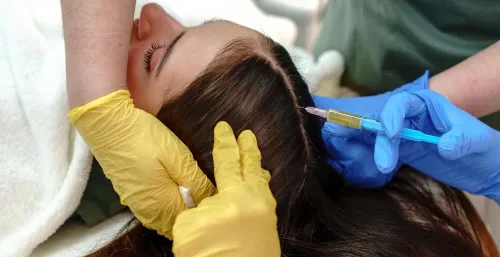
Trichogen Therapy is a regenerative treatment designed to nourish weakened hair follicles with biologically active components that support natural hair growth.
The therapy focuses on improving the health of the scalp while creating conditions that allow existing follicles to function more effectively.
It is commonly considered for individuals experiencing:
- Early-stage hair thinning
- Pattern hair loss
- Diffuse hair fall
- Reduced hair density
- Hair weakening after illness or stress
A dermatologist determines whether the treatment is suitable after evaluating the patient's scalp and medical history.
How the Treatment Supports Hair Health
Healthy hair growth depends on active follicles receiving adequate nourishment and maintaining a healthy growth cycle.
Trichogen Therapy aims to:
- Support dormant hair follicles
- Improve scalp nourishment
- Strengthen existing hair shafts
- Enhance overall scalp health
- Encourage healthier hair density over time
Results develop gradually because hair naturally grows in cycles rather than overnight.
Who May Benefit from the Treatment
Not everyone experiencing hair loss requires the same treatment. Trichogen Therapy may be considered for people who:
- Notice progressive hair thinning
- Experience increased daily hair shedding
- Have weakened hair after illness
- Want a non-surgical treatment option
- Are seeking dermatologist-guided hair restoration
Individuals with advanced baldness may require alternative treatment plans depending on follicle viability.
The Importance of Early Evaluation
One of the biggest misconceptions about hair loss is waiting until the problem becomes severe. Hair follicles that remain active often respond better to treatment than follicles that have permanently stopped producing hair.
Seeking professional advice when symptoms first appear allows more treatment possibilities to be explored.
Supporting Treatment with Healthy Habits
Hair restoration works best when combined with healthy lifestyle practices.
These include:
- Maintaining a nutritious diet
- Correcting vitamin deficiencies when necessary
- Managing stress
- Sleeping adequately
- Following prescribed scalp care routines
- Attending scheduled follow-up appointments
Consistency plays an important role in long-term improvement.
Questions to Discuss During Your Consultation
Before beginning Trichogen Therapy, patients should ask:
- What is causing my hair loss?
- Am I a suitable candidate?
- How many sessions may be recommended?
- When can I expect visible improvement?
- Are additional treatments required alongside therapy?
A detailed consultation helps create realistic expectations while ensuring the treatment plan matches the patient's needs.
People exploring advanced hair restoration options in Koregaon Park increasingly look for dermatology clinics that emphasise diagnosis before treatment selection. Derma Elementts follows this personalized approach by evaluating scalp health, hair growth patterns, and contributing medical factors before recommending Trichogen Therapy or any other regenerative hair procedure.
Hair restoration is rarely about finding a quick fix. It is about identifying the underlying cause, supporting healthier follicles, and following a treatment plan designed specifically for your scalp. With timely intervention and expert guidance, many individuals can take meaningful steps toward healthier, fuller-looking hair.
Keywords